Lore
Beast
A beast was one of the three classifications used by the British Ministry of…
A beast was one of the three classifications used by the British Ministry of Magic to catalogue the various magical creatures that inhabited the wizarding world (the others being spirit and being).

Description
Loosely defined, a beast was a magical creature that did not have sufficient intelligence to understand the laws of the magical community, nor bear part of the responsibility in shaping those laws. This definition was laid down by Minister for Magic Grogan Stump in 1811, and the Beast Division was formed as part of the Department for the Regulation and Control of Magical Creatures. There were even extremists who campaigned for Muggles to be classified as beasts.
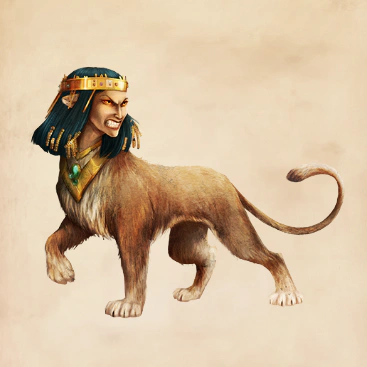
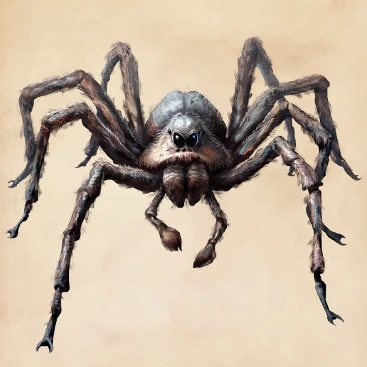
However, there were exceptions to the rule - creatures that had the same level of intelligence as beings, as well as the ability to speak, but were classified as Beasts for one reason or another. Manticores and sphinxes were classified as beasts because of their extreme aggressiveness. Acromantulas and Erklings were classified as Beasts because of their taste for human flesh. Centaurs and merpeople were both offered the status of being, but they both requested to be classified as beasts instead, as they objected to some of the other creatures they would have to share "being" status with, such as hags and vampires. With this in mind, teaching material on them noted that they were to be treated with great respect.
Additionally, werewolves were classified as beasts, though only in their transformed state. When there was no full moon, they retained their being status like any other human. However, they were still also classified as sentient by the Ministry of Magic.
Cross-breeding
Similar to how witches and wizards could experiment with spells and potions and develop new ones as a result, it was possible to have different magical beasts breed with each other to spawn something new. A Fire Crab and a Manticore would result in a Blast-Ended Skrewt, and a Ghoul and a Demiguise would result in a Hidebehind.
It should be noted that there was a Ban on Experimental Breeding in Wizarding Britain, enacted in 1965, to prevent the possible creation of any dangerous or untameable beasts. The great Magizoologist, Newt Scamander considered the establishment of this law to be his greatest achievement.
Classification
All known creatures of the beast category were classified by the Ministry into different groups based on how dangerous they were and level of skill that was required to deal with them.
Creatures of the X classification just sat around and did nothing.
Creatures of the XX classification were harmless and could be easily domesticated.
Creatures of the XXX classification were moderately troublesome, but any competent wizard should have been able to cope.
Creatures of the XXXX classification were very dangerous and/or highly elusive. Either way, they required the specialist knowledge of a skilled wizard.
Creatures of the XXXXX classification were known wizard killers and were impossible to train or domesticate.
The following creatures are beasts of unknown classification.
-|X=
-|XX=
Chizpurfle
Clabbert
Imp
Jobberknoll
Porlock
Appaloosa Puffskein
Ramora
-|XXX=
Ashwinder
Bundimun
Crup
Giant Fire Crab
Amazonian Salamander
Blue Salamander
Frost Salamander
Peruvian Salamander
Glumbumble
Hodag
Jarvey
Lobalug
Mackled Malaclaw
Moke
Nogtail
Plimpy
Pogrebin
Sea serpent
Shrake
-|XXXX=
Erkling
Hidebehind
Re'em
Snallygaster
Tebo
Aethonan
Granian
-|XXXXX=
Armoured Troll
Fighter Troll
Fortified Troll
Horned Serpent
Wampus cat
-|Unknown=
5 Legger
Abarimon
Albino bloodhound
Alizor of Westacottus
Bee-like creature
Bicorn
Blind-worm
Blood-Sucking Bugbear
Bogeyman
Briar Toad
Catoblepas
Cherub
Chupacabra
Cliodna's birds
Cobra Lily
Cockatrice
Coco Rumsey Catcher
Cocoon Spider
Coruscant cuttlefish
Crazed Capybara
Daraliznof Freaazer
Dark Mongrel
Double-ended newt
Dough Creature
Dragon toad
Dragon Shark
Drake
Dricken
Dukuwaqa
Egg Creature
Falsely Pretty Fish
Fanged gerbil
Fanged Puffskein
Fenny snake
Firedrake
Fire slug
Firetrail Snail
Flailtail Snail
Flesh-Eating Slug
Flitterby
Flying pig
Flying Seahorse
Forest Raco
Four-Headed Bird
Frog-Rabbit
Giant Albino Rat
Giant Black Spider
Giant Dung Beetle
Giant hairy slug elk
Giant grub
Giant Rat
Giant Silk-Spitting Spider
Giant Spider
Giant storm petrel
Giant Venomous Spider
Gigantic jellyfish
Gigantic serpent
Gigantic white worm
Glow Bug
Goblin Jellies
Goblin Vampire squid
Gorgon
Gringwart Goff
Harpy
Hermit crab-like creature
Homo amphibia
Hoo-hoo
Horned slug
Hydra
Iceberg Turtle
Imperial Dragonfly
Jackalope
Jewel Encrusted Tortoise
Kraken
Large-eared creature
Large spider
Limax
Lion Bison Moa
Magic hamster
Marble Gargoyle
Marmite
Matagot
Miraf Leldendi
Mortis Bat
Muskrill
Nazzle Mumph
Octopus-like creature
Oni
Panic Spider
Peluda
Pheasanthunter
Plague Rat
Giant Plague Rat
Poisonous duck
Porcupine-like creature
Purple Rabbit
Pygmy Kraken
Rodential creature
Rougarou
Sasabonsam
Sandstone Gargoyle
Secondary
Selma
Shelliferous Drogodflikerous
Six-legged panda pig
Skipping black rat
Spitting snake
Sprite
Wildflower sprite
Squonk
Sunflower-resembling creature
Swamp Lepus
Tent-fox
Three toed tree toad
Thornback
Thornback Ambusher
Thornback Hatchling
Thornback Matriarch
Thornback Scurriour
Thornback Shooter
Transforming rabbit
Tree-Forming Lizard
Trollcleg
Trollwig
Two-legged Creature
Urchin-like creature
Valcore
Vampyr Mosp
Venomous Scurriour
Venomous Ambusher
Venomous Hatchling
Venomous Matriarch
Venomous Shooter
Venomous Silk-Spitting Spider
Water dragon
Water dragon parasite
Wetland Jack moose
White River Monster
Wide-mouth toad
Winged frog-like creature
Wood Nymph
Worm-like creature
Wrackspurt
Wyvern of Wye
Teaching
There was a Care of Magical Creatures class at Hogwarts School of Witchcraft and Wizardry, devoted to the study of Magical beasts. It provided students with information about their behaviour and how to properly identify and approach them, as well as how and what to feed them, how to groom them, how to mount and ride them, and how to breed them, as well as the proper way to treat said beasts and how to act around them. This class started with harmless animals that were easy to handle, then moved on to more aggressive ones as they progressed in knowledge.

It was an elective class that students could begin taking from their third year onwards. It was optional to N.E.W.T.-level students in their sixth and seventh years to those who achieved a high enough grade on their Ordinary Wizarding Level exam. Care of Magical Creatures was a successor the previous class, Beasts.
Sources
Adapted from the original article, under CC BY-SA 3.0.