Creature
Golden Snidget
The Golden Snidget was a small golden magical bird with fully rotational wings…
The Golden Snidget is an extremely rare, protected species of bird. Completely round, with a very long, thin beak and glistening, jewel-like red eyes, the Golden Snidget is an extremely fast flier that can change direction with uncanny speed and skill, owing to the rotational joints of its wings.
The Golden Snidget was a small golden magical bird with fully rotational wings, best known for early use in the wizarding game of Quidditch, eventually being replaced by the Golden Snitch.
Description
The Snidget was completely round, fat, covered in golden feathers, and has a long thin beak. Its eyes were bright red, and the rotational wings let the Snidget move in any direction with remarkable agility and speed.

The Golden Snidget's feathers and eyes were so highly prized that it was at one time in danger of being hunted to extinction by wizards. A Snidget was an extremely fragile bird, as a human's grip could crush one to death. It had very small legs, making it look like an apodiform.
The Golden Snidget was once common in northern Europe, but because of their aptitude at hiding and extreme speed that they used as their survival strategy to avoid predators, they were difficult for Muggles to detect. Snidget-hunting, usually done in broad daylight, also had the side-effect of causing more Muggle broomstick sightings than any other activity.
Despite this, the Wizards' Council was unable to curb the popularity of the sport, although they had very little motivation to do so as historical records showed that their attitude was that they didn't see anything wrong with Snidget-hunting. As time went on though, it would emerge that not all wizardkind felt the same way.
History
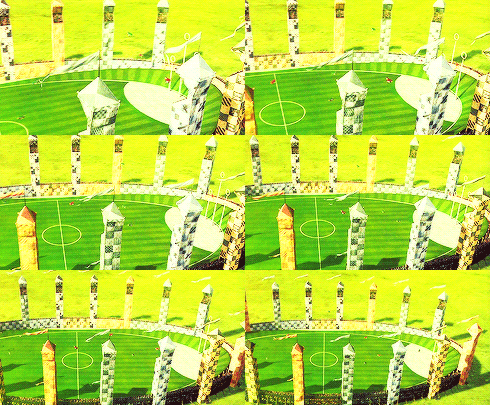
From the early 1100s, Snidget-hunting was a popular sporting pastime of many wizardkind, and as hinted at in modern Quidditch, was done on broomsticks.
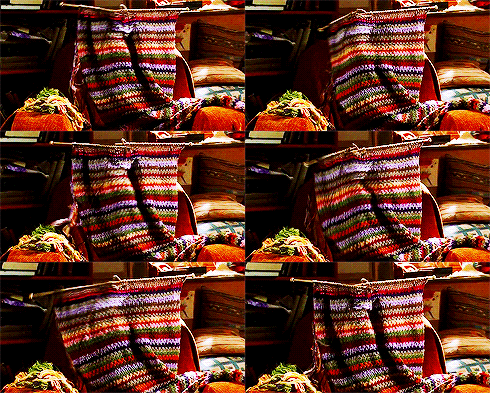
A tapestry preserved in the Museum of Quidditch from the 12th century revealed that Snidget-hunting was done in groups, with participants free to use nets, wands, or even just opting to use their bare hands. The fragile birds were oftentimes crushed to death by their captor in the process. In the case of the tapestry, the winner was shown receiving a bag of gold.
Quidditch
The Snidget was first introduced into Quidditch in 1269, when the newly-appointed Chief of the Wizards' Council, a man named Barberus Bragge, released a Snidget during a Quidditch match and offered 150 Galleons to the player who could catch it. In protest of the barbaric treatment of the fragile bird, Madam Modesty Rabnott of Kent, an opponent of Snidget-hunting, summoned the Snidget to her, fled the pitch and released the bird into the wild. Nevertheless, the practice of releasing a Snidget during Quidditch matches continued, with the stakes changed to 150 points, rather than Galleons, awarded to the team of the player who caught the Snidget. Ultimately, use of Snidgets in Quidditch, and the popularity of Snidget-hunting, depleted the species considerably.

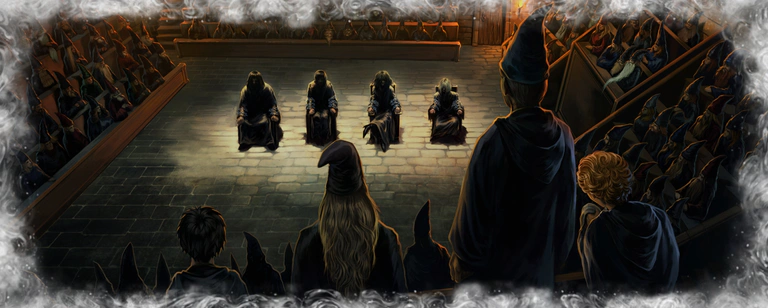
About a century after Barberus Bragge's introduction of Snidgets to Quidditch, when it became apparent that the Snidget was close to extinction, Elfrida Clagg, then Chief of the Wizards' Council, declared it a protected species. The Snidget was classified as XXXX, not because of being dangerous, but because severe penalties would apply if any were captured or injured. Clagg also founded the Modesty Rabnott Snidget Reservation in Somerset, England, named in honour of Rabnott's early efforts at protecting Snidgets. The most notable factor in the protection of the Snidgets was the introduction of the Golden Snitch, invented by metal-charmer Bowman Wright, to the game of Quidditch.
Recent history
By the 1890s, the Snidget was deemed by some to be extinct. However, this was untrue, as Hogwarts students Poppy Sweeting and her friend managed to rescue some Snidget eggs from poachers at the Gilded Perch in the 1890–1891 school year. After the eggs hatched, the Snidget chicks were placed under the protection of Dorran, Elek, and the rest of the Forbidden Forest centaur colony, helping to ensure their continuing existence. As a result, there were increasing reports of Snidget sightings in the Highlands, with Deputy Headmistress Weasley learning from the centaurs that the two students had something to do with their newly increased prevalence.
During the 1989–1990 school year, Professor Silvanus Kettleburn taught sixth-year students in Care of Magical Creatures class how to properly handle Golden Snidgets. During the 1990–1991 school year, Snidgets were smuggled by at least three witches and wizards from the Somerset sanctuary. A seventh-year Ministry trainee investigated this case with Alastor Moody and Nymphadora Tonks.
During the Calamity in the late 2010s or early 2020s, a Calamity Investigator working for the Statute of Secrecy Task Force visited the Somerset sanctuary to observe Golden Snidgets in the wild. Inspired by the manner in which the birds agilely evaded predators, the investigator incorporated these evasive manoeuvres into their defensive strategy, helping them better dodge adversaries' attacks.
Notes and references
Vivet doréBolcino d'Oro
Sources
Adapted from the original article, under CC BY-SA 3.0.