Creature
Graphorn
Dangerous and aggressive magical beast native to the mountains of Europe
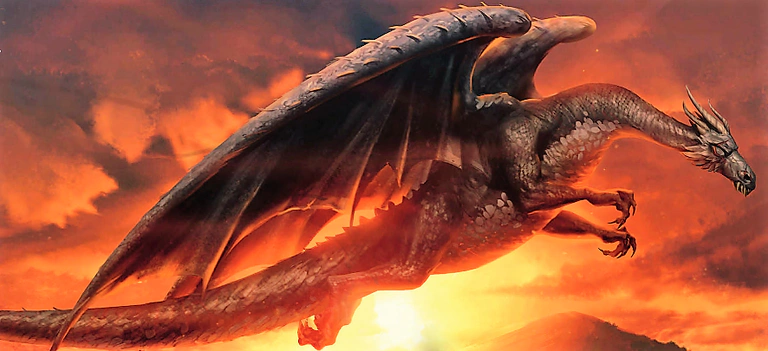
The Graphorn is found in mountainous European regions. Large and greyish purple with a humped back, the Graphorn has two very long, sharp horns, walks on large, four-thumbed feet, and has an extremely aggressive nature. Mountain trolls can occasionally be seen mounted on Graphorns, though the latter do not seem to take kindly to attempts to tame them and it is more common to see a troll covered in Graphorn scars. Powdered Graphorn horn is used in many potions, though it is immensely expensive owing to the difficulty in collecting it. Graphorn hide is even tougher than a dragon’s and repels most spells.
The Graphorn was a dangerous and aggressive magical beast native to the mountains of Europe.
Description
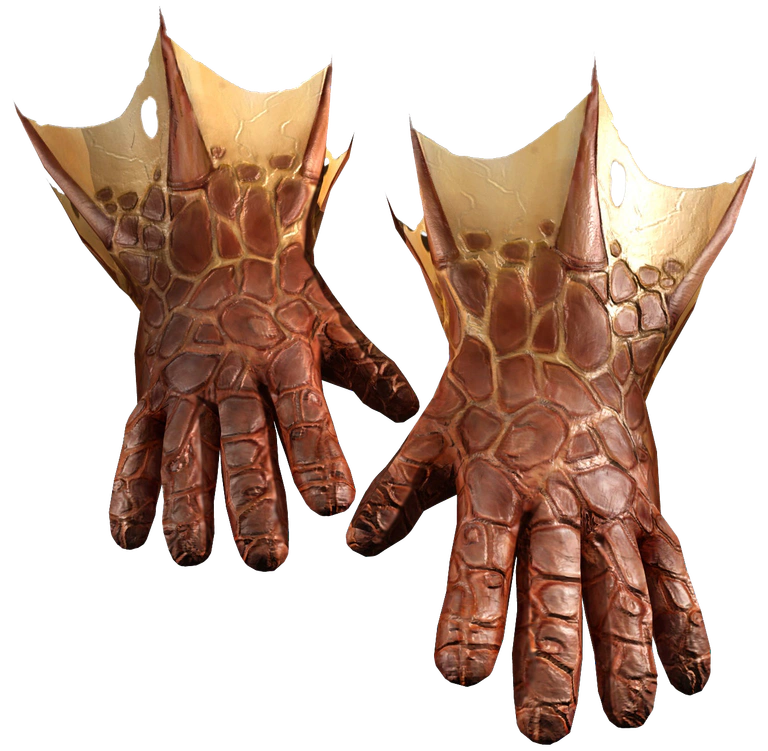
The Graphorn was large and hump-backed, with greyish-purple skin tougher than that of dragons. It could repel most spells, had two golden horns, and walked on large four-thumbed feet. Its mouth was made of tentacle-like appendages, that were used to grab food and put it in its mouth. It also used these to show affection. It was said to resemble a sabre-toothed tiger. If a Graphorn was angered, the interior of its body would emit an orange glow and its physical prowess became temporarily enhanced. Despite its generally aggressive nature, the Graphorn was known to befriend wizards and witches in rare circumstances. Male Graphorns were larger and had more prominent horns than the females.

Graphorn horns were highly prized potion ingredients and were used in potions such as the Antidote to Uncommon Poisons. Graphorns, particularly when young, were sometimes used as mounts by mountain trolls, but the Graphorn strongly disliked this - it was more common to see mountain trolls covered in scars from a Graphorn.
Graphorns were extremely protective of their young, being willing to excessively exert themselves or put themselves in great physical danger to ensure the safety of their offspring. If ever separated from their young for a prolonged period of time, a Graphorn would begin to act stressed, destroying nearby objects and attempting to venture outside of any boundaries in which they were kept in search of their offspring.
In the Study of Ancient Runes, the Graphorn's two sharp horns were used to represent the number two.
History
In the 1890s, the Lord of the Shore inhabited Clagmar Coast, the last of a long line of Graphorns in the region. He was later successfully subdued and tamed by the new fifth-year Hogwarts student. At some point before the 1890–1891 school year, a Graphorn killed a witch in Feldcroft, serving as a grim reminder of the danger of magical beasts. In the said school year, two Graphorns were killed by a female Hebridean Black dragon that was ragingly looking for her egg after recently being released from poachers. Poppy Sweeting commented that the dragon must have been desperately starving to target such prey.

For unknown reasons, the Graphorn population was in decline by the mid-1920s. The famous English Magizoologist Newt Scamander had the last pair of breeding Graphorns, along with two young Graphorns, in his suitcase during his visit to New York in 1926. A Graphorn was one of the attractions for the wizarding Circus Arcanus, which toured Paris in 1927.
In the 1980s or early 1990s, a Hogwarts student encountered a Graphorn at the Magical Creatures Reserve, and would often bond with and feed it.
During the Calamity in the 2010s, several fire Confoundables were guarding Graphorn Foundables. Volunteer members of the Statute of Secrecy Task Force had to overpower these Confoundables using the Water-Making Spell to extinguish the fire and allow for the Graphorn Foundables to return to their rightful places in the wizarding world. Mountain trolls were reported to be riding Graphorns through Hungary in 2020.
Sources
Adapted from the original article, under CC BY-SA 3.0.