Lore
Flight
One of the primary methods of wizarding transportation
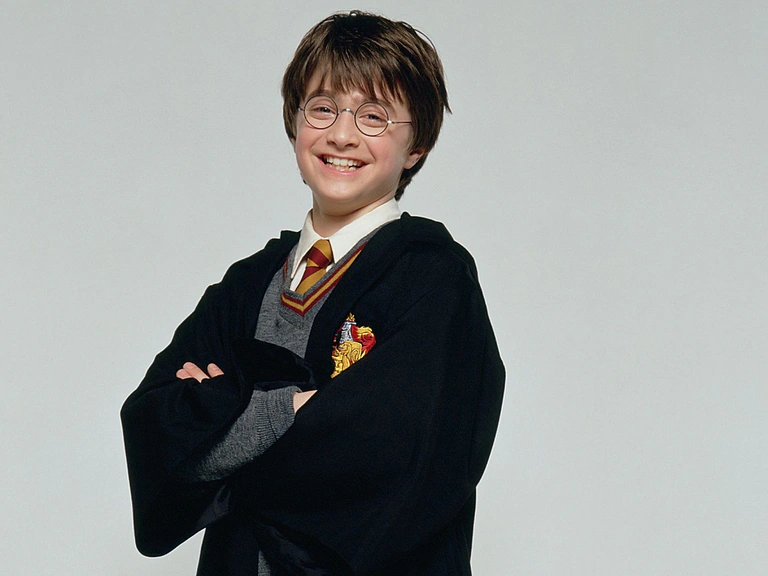
He mounted the broom and kicked hard against the ground and up, up he soared; air rushed through his hair, and his robes whipped out behind him — and in a rush of fierce joy he realised he'd found something he could do without being taught — this was easy, this was wonderful.
Flight was one of the primary methods of wizarding transportation. It usually involved a person or persons using an object that had been bewitched to fly through the air to another location. Magical objects commonly used for this purposes included broomsticks and flying carpets.

Description
Compared to instantaneous magical transportation methods, such as Floo powder, Portkeys, and Apparition, flying was a much slower method of transportation. However, some bewitched objects could fly much faster than others. Additionally, it was the most common method of transportation, as many witches and wizards were incapable of the aforementioned instantaneous transportation methods, or did not want to use them because they were all highly unpleasant compared to flight.
Flying was also used in magical sporting events, such as the popular game of Quidditch.
Broomstick
Broomsticks, also known simply as brooms, were enchanted to fly, allowing a witch or wizard to travel through the air to their destination by riding them. Broomsticks also had various spells cast on them to help with riding, flying, and braking. For example, modern broomsticks came with a Cushioning Charm on the handle, to make them more comfortable to sit on. Brooms were easily the most common method of flight in Wizarding Britain, with nearly every wizarding household in Britain owning at least one broomstick. Dedicated riders kept their brooms in top condition with a Broomstick Servicing Kit.

The earliest recorded use of the broomstick was in 962 in a German illustrated manuscript. Their use in Great Britain and Ireland was regulated by the Ministry of Magic's Broom Regulatory Control, and there were a number of manufacturing companies that produced them, including the Cleansweep Broom Company, the Comet Trading Company, and the Nimbus Racing Broom Company. Additionally, like cars, there were multiple models of flying brooms. In the 1990s, the Firebolt was believed to be the best model of all brooms.
A class on broomstick flying was taught at Hogwarts School of Witchcraft and Wizardry by Madam Hooch, mandatory for first-year students, but optional for second-years and above.
Other vehicles
Though broomsticks were the primary method of magical transportation in Britain, other enchanted objects were used elsewhere in the wizarding world. In Asia and the Middle East, flying carpets were the primary form of wizarding transport, but were currently designated as Muggle artefacts in Britain and were therefore illegal to enchant. They also couldn't be imported despite at least one merchant's continued efforts to do so. This ban seemed to be relatively recent as Bartemius Crouch Senior's grandfather owned a flying Axminster before they were made illegal.

Vehicles such as cars and motorcycles could also be modified to be capable of flight, though this was also technically illegal under Misuse of Muggle Artefacts laws.
Magical creatures
A range of flying creatures were also available for transport, such as Thestrals and Hippogriffs. When visiting Hogwarts for the 1994 Triwizard Tournament, the Beauxbatons students travelled in a carriage drawn by Abraxan winged horses.
Unsupported flight
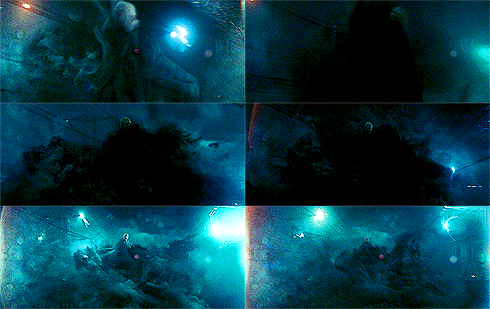
In defiance of magical law (that stated that a wizard could only fly using a vehicle, which itself could only have a flying charm) a few known wizards and witches had achieved this feat. The most infamous being Dark wizard Lord Voldemort who managed to achieve a way to fly without any form of magical vehicle (though some form of magical assistance was certainly required to do this).
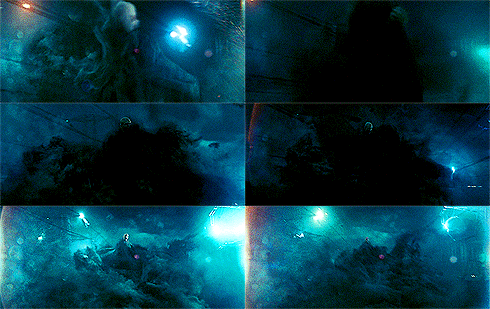
Voldemort's incident of unsupported flight was witnessed in battle with Order of the Phoenix operatives in 1997, and by Harry Potter during his connection with Voldemort's mind. This method could be duplicated, as Voldemort taught his (supposedly) most loyal Death Eater Severus Snape how to fly the same way.
Animagi
An Animagus was a witch or wizard who had undergone a ritual to give themselves the ability to magically transform into an animal. This was different from using a spell to turn someone into an animal. With a transfiguration spell, the transformed person took on the mental state of that animal, an Animagus however was able to keep their mind when they transformed.

However, Animagi themselves were extremely rare, as the process for becoming one was very difficult, took a very long time, and had to be done in a very specific way. Additionally, an Animagus could only transform into one particular species of animal, and their animal form was predetermined by their inner qualities, so flying Animagi were even more rare. Known Animagi whose forms were capable of flight were Falco Aesalon (falcon), Cliodna (seabird), Morrigan (Crow), Morgan le Fay (bird), Mudiwa Onai (African fish eagle), Rita Skeeter (beetle), Talbott Winger's mother (White Swan), and Talbott Winger (eagle).
Flying potion
Flying potions were a theoretical potion within the wizarding world. Presumably, once drunk, it would allow the user to fly similar to unsupported flight or with the use of a broomstick. Knowledge of the theory of flying potions was known to Professor Snape, and throughout her school years in the 1980s and the 1990s, Penny Haywood tried to invent one using various ingredients such as Billywig stings.
Sources
Adapted from the original article, under CC BY-SA 3.0.