Lore
Dragon breeding
Practice of artificially propagating and raising dragons
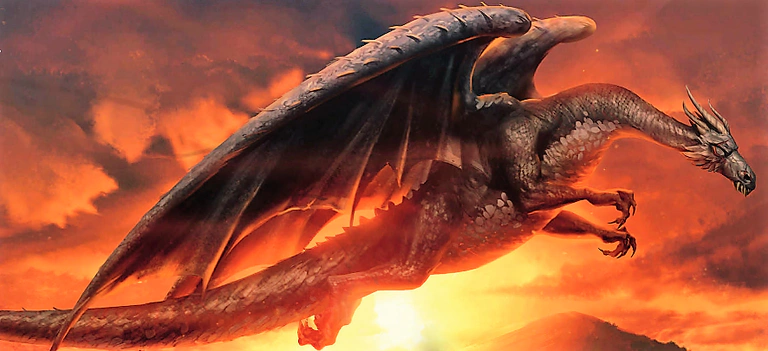
Dragon breeding was the practice of artificially propagating and raising dragons.
History
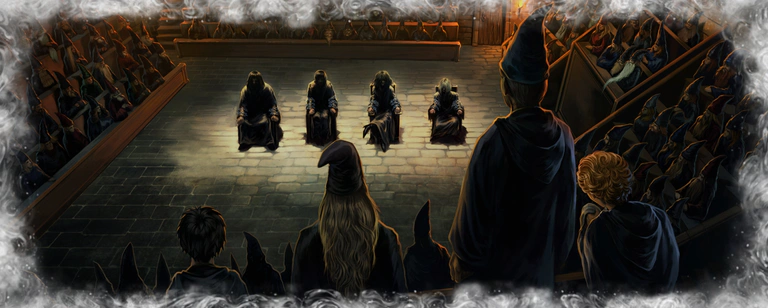
Dragon breeding was outlawed by the Warlocks' Convention of 1709, due not only to the fact that that dragons could not be tamed (receiving the highest British Ministry of Magic danger classification of XXXXX), but because wizards with pet dragons would be easily detected by Muggles.
At some point before the 1890s, Ranrok (a Goblin) met an unidentified dragon breeder. Seeking to join his organisation, he picked up the wand that the dragon breeder had dropped as a means of introducing himself. Disgusted by the sight of a goblin holding a wand, the wizard nearly beat Ranrok to death. Following this incident, Ranrok acquired a strong hatred for wizardkind, eventually leading to his goblin rebellion.
By the 20th century, it was common wizarding knowledge that dragon breeding was highly illegal and dangerous.
Some books that covered dragon breeding included Dragon Breeding for Pleasure and Profit, published in 1658, and From Egg to Inferno: a Dragon-Keeper's Guide.
Raising dragons
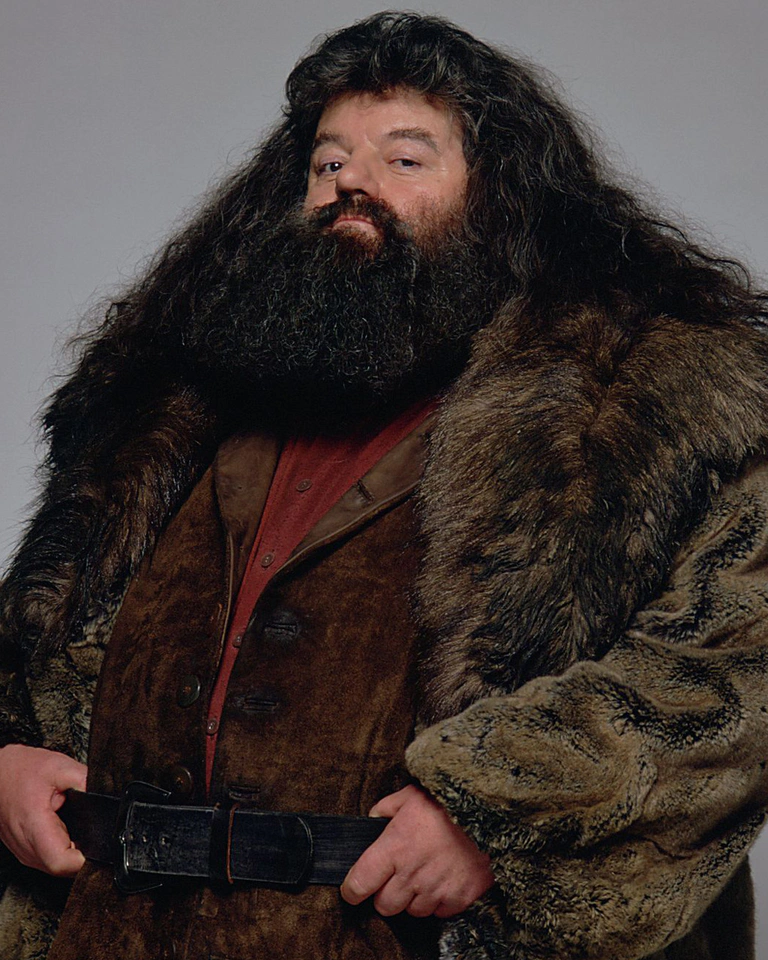
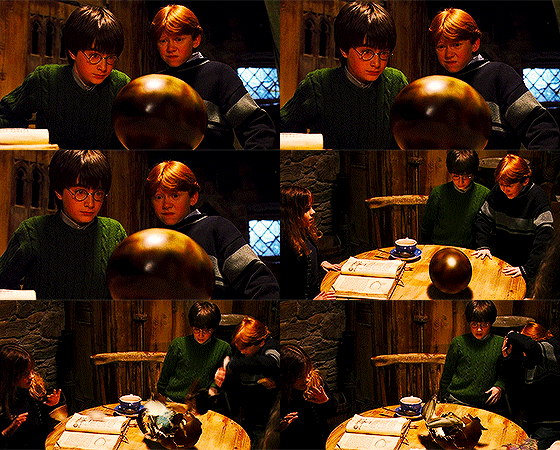
Keep the egg in the fire, 'cause their mothers breathe on 'em, see, an' when it hatches, feed it on a bucket o' brandy mixed with chicken blood every half hour.
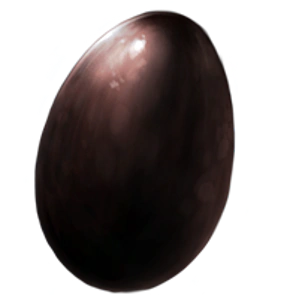
While the dragon was still in its egg, it should be placed in the fire to heat it up, as the mother ordinarily breathed on it. Fire Seeds could be tossed into the fire to give it the last burst of heat needed to make it hatch. When hatched, the dragon chick should be fed a bucket of brandy mixed with chicken blood every half-hour, which apparently served as a replacement for dragon milk. During the first few months, the dragon required a lot of care. The dragon's first fire breaths, usually accompanied by thick grey smoke, appeared when the dragon was around six months old. However, the ability to fly was normally developed later, at around twelve months, and the dragon would not be fully mature until it was two years old and ready to live on its own.
Sources
Adapted from the original article, under CC BY-SA 3.0.