Lore
Pure-blood supremacy
Pure-blood supremacy, or the pure-blood doctrine, was the belief that…
I really don't think they should let the other sort in, do you? They're just not the same, they've never been brought up to know our ways. Some of them have never even heard of Hogwarts until they get the letter, imagine. I think they should keep it in the old wizarding families.
Pure-blood supremacy, or the pure-blood doctrine, was the belief that pure-bloods, wizards and witches whose family had not married any Muggles or Muggle-borns, were superior to wizards and witches who had done so. Proponents of this ideology typically regarded Muggle-born wizards as 'impure' and unworthy of possessing magical ability; pure-blood supremacists often actively discriminated against Muggle-borns for these reasons.
History
During the tenth century and presumably into the Renaissance, pure-blood supremacism was considered a misguided opinion. However, after the International Statute of Wizarding Secrecy was put into effect in 1692, wizards started to go into hiding fearing persecution from Muggles. This led to a shift in magical opinion and a growth in pure-blood supremacist thought. Some wizards and witches advocated all-out war against the Muggles, rather than being forced to live in hiding, but magical society chose another course of action (arguably, being a minority in a much larger Muggle majority and already having trouble defending themselves against death and persecution, it's not at all clear they would have won such a conflict). At this time, the so-called 'pure-bloods' were not necessarily pure, but it was more of a statement of political and social intent (i.e., "I will not marry a Muggle and I consider Muggle/wizard marriage reprehensible").

Indeed, later pure-blood supremacists in the 21st century believed that only pure-bloods were 'real' witches and wizards. Many of them were inclined considered pure-bloods to be the elite people of the wizarding world, and some did not consider half-bloods and Muggle-borns to have that same dignity. Pure-blood supremacists were prone to be very hostile towards both Muggle-borns, as well as those that were accepting of them, fearing that the promotion and acceptance of the mixture of magical and non-magical blood would dilute or even negate the wizard identity. They also considered themselves to be "above" half-bloods because they had not married any Muggles and were not related to them.
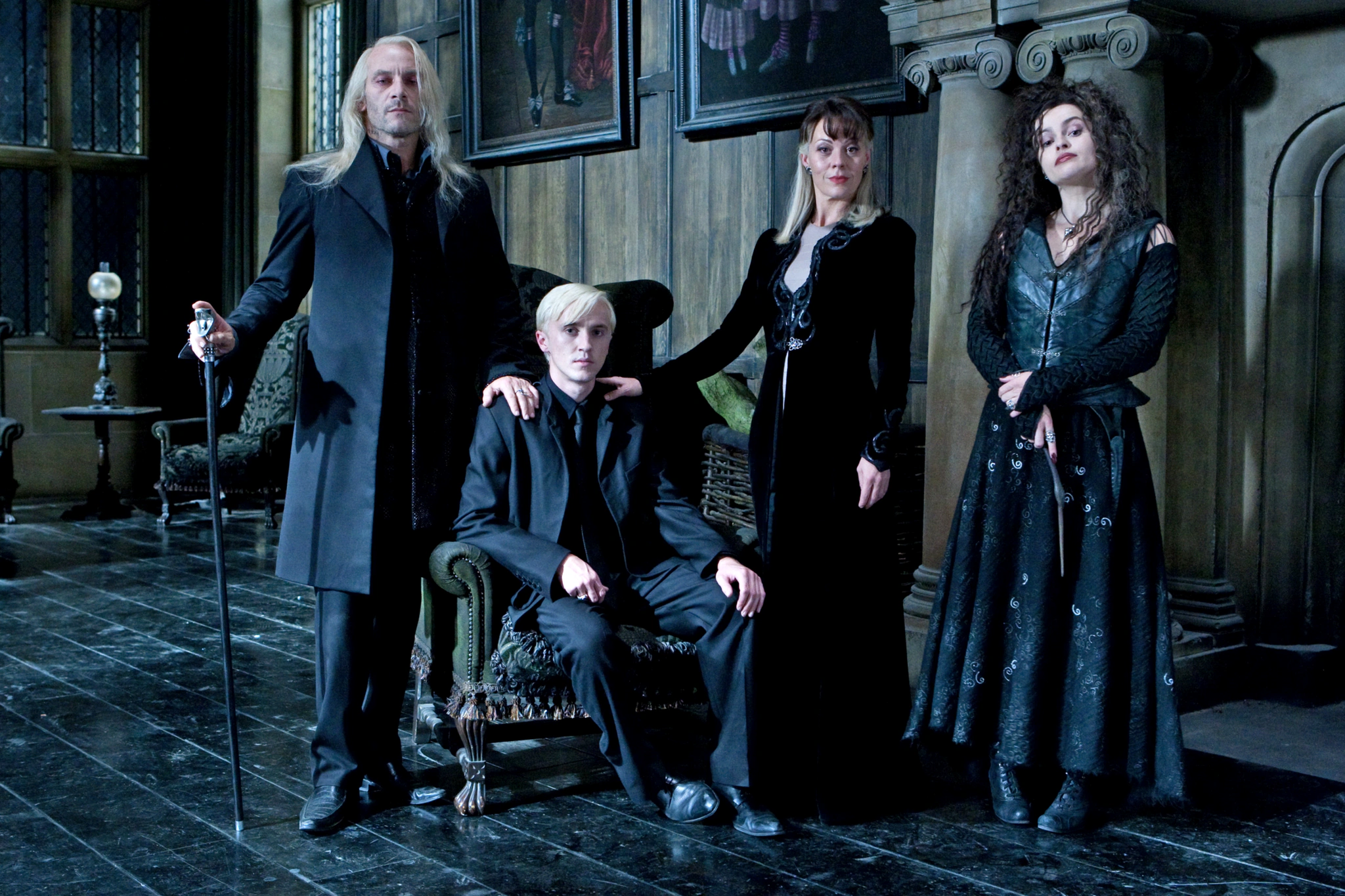
More militant subscribers of this philosophy even considered themselves to be akin to royalty. They viewed Muggles, Muggle-borns, half-bloods, and half-breeds with contempt, and considered the Muggle world to be inferior to their own. Pure-bloods (and even half-bloods) who did not share this view were considered traitors to their own kind or "blood traitors". They were considered disgraces by pure-blood supremacists such as the Malfoys and the Blacks.
Elitist pure-bloods even believed that it was a sign of weak magic to enjoy the company of non-magical friends and seemed to believe that some of the supposed dirtiness of Muggles and Muggle-borns would rub off on those who associated with them, thus they considered the so-called blood traitors to be "filthy" as well. Some extremists considered blood traitors to be nearly as bad as the Muggle-borns they were prejudiced against. Bellatrix Lestrange, for example, claimed that "blood traitor is next to Mudblood in [her] book", and her family often disowned and blasted off the family tree any members who could be considered blood traitors. Blood traitors might also be shunned by their families and acquaintances: for example, Bellatrix and her younger sister Narcissa Malfoy stopped seeing their sister Andromeda after she married a Muggle-born wizard, Ted Tonks.

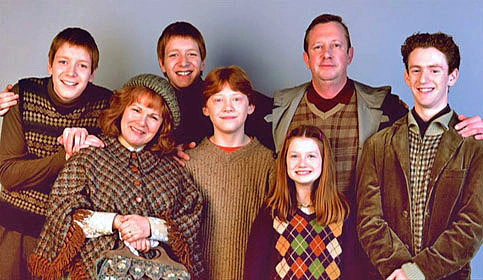
Lord Voldemort and his Death Eaters targeted blood traitors during the First and Second Wizarding Wars because they opposed their goals. While they were temporarily in control of the Ministry of Magic in late 1997 and early 1998, they kept blood traitors such as Arthur Weasley under surveillance.
However, even most Death Eaters were reluctant to kill pure-bloods, even "traitorous" ones, if it could be avoided. Similarly, although disdaining half-bloods and considering them inferior, they recognised that there were not enough pure-blood families left and so (if only begrudgingly), accepted half-bloods in their new world order. The same situation existed at Hogwarts School of Witchcraft and Wizardry while Voldemort was in power.
Pure-blood elitism
Toujours Pur
The most extreme of the pure-blood supremacists sought to purge the world of those they consider "impure". They often tolerated half-bloods out of necessity (though still disdained them), but Muggle-borns were persecuted and Muggles were viewed as nothing more than animals. Supremacists debated amongst themselves whether Muggles and Muggle-borns should be subject to death or slavery, but their generally agreed goal of pure-blood supremacy was a world where Muggles were relegated to at least a lesser role.
- House of Black HarryPotter.com - Phineas for supporting Muggle rights. - Marius for being a Squib. - nephew. - Regulus for joining the Death Eaters, but eventually felt the Death Eaters were going too far and withdrew their support. - Andromeda for marrying Muggle-born Edward Tonks. - Harry Potter and the Order of the Phoenix - House of Gaunt inbred most heavily than any pure-blood elitist, in order to retain the ability to speak Parseltongue. This tendency forced them to squander the family gold up until the early 20th century. - Hogwarts Legacy - HarryPotter.com - HarryPotter.com - Harry Potter and the Half-Blood Prince - Malfoy family HarryPotter.com - Wizard's Council, and therefore was never punished. - jinx that he left on her in retaliation for his unsuccessful attempt to woo her. - The Tales of Beedle the Bard - Septimus Malfoy was Advisor to the Minister for Magic from 1789 to 1798. - Abraxas Malfoy was suspected of being part of a plot that forced Nobby Leach, the first Muggle-born Minister for Magic, to leave the post prematurely in 1968. - Lestrange family Death Eater family members. - Greengrass family The Greengrasses were known to have espoused the philosophy of pure-blood supremacy. - Lucius and Narcissa Malfoy. - Durmstrang Institute Harry Potter and the Goblet of Fire though, unlike most other examples of "pure-blood elitism" listed here, they did not seem to have a violent, murderous, or destructive attitude towards Muggle-borns and Muggles either (and indeed, some individual students such as Viktor Krum were more tolerant and accepting of Muggle-borns). - Death Eaters Harry Potter and the Half-Blood Prince - Lord Voldemort - Dolores Umbridge HarryPotter.com She was head of the Muggle-Born Registration Commission during Voldemort's control of the Ministry and actively persecuted "Mudbloods", stripping them of their wands. After Voldemort's defeat, she was arrested and sentenced to Azkaban for life for her crimes against Muggle-borns. - Salazar Slytherin Harry Potter and the Chamber of Secrets - Elizabeth Burke Harry Potter and the Order of the Phoenix (video game) - Yaxley family Yaxley in the 1920s placed great emphasis on the importance of pure-blood and was disliked by Leta Lestrange for how he made a beeline towards her simply for being a member of an aristocratic and ancient pure-blood clan. - Lysandra Yaxley married into the pure-blood elitist House of Black. - Corban Yaxley refused to marry anybody who was not a pure-blood. - Barrett Fay Harry Potter and the Deathly Hallows: Part 1
Pure-blood bias

Your mother was Muggle-born, of course. Couldn't believe it when I found out. Thought she must have been pure-blood, she was so good.
Some wizards, while believing somewhat in the inherent superiority of pure-bloods, do not actively discriminate against or show hostility to Muggle-borns and are even fond of them in some cases.
- Horace Slughorn Harry Potter and the Half-Blood Prince - Cornelius Fudge Harry Potter and the Goblet of Fire - Severus Snape Harry Potter and the Deathly Hallows however, he was still supportive of actions of many pure-blood elitists, for example by often being cruel to Muggle-born Hermione Granger and favouring the negative attitudes and behaviours of pure-blood Slytherins. Snape also objected to the portrait of Phineas Nigellus Black calling Hermione Granger a "mudblood". Due to these combinations of actions, however, Snape was a somewhat ambiguous case.
Sources
Adapted from the original article, under CC BY-SA 3.0.