Lore
Blood status
Blood status, also called purity of blood, was a concept in the wizarding world…

You place too much importance, and you always have done, on the so-called purity of blood! You fail to recognise that it matters not what someone is born, but what they grow to be!
Blood status, also called purity of blood, was a concept in the wizarding world that distinguished between family trees that had different levels of magically-endowed members. It often resulted in prejudice towards those who had a large number of Muggles in their families.

As Sirius Black informed Harry Potter, almost all wizards of their time had Muggles in their family trees, though some claimed not to. The concept played a key role in both the First and Second Wizarding Wars. Families that claimed to be pure, to whatever extent they ever really were, were dwindling in number.
Muggle-borns
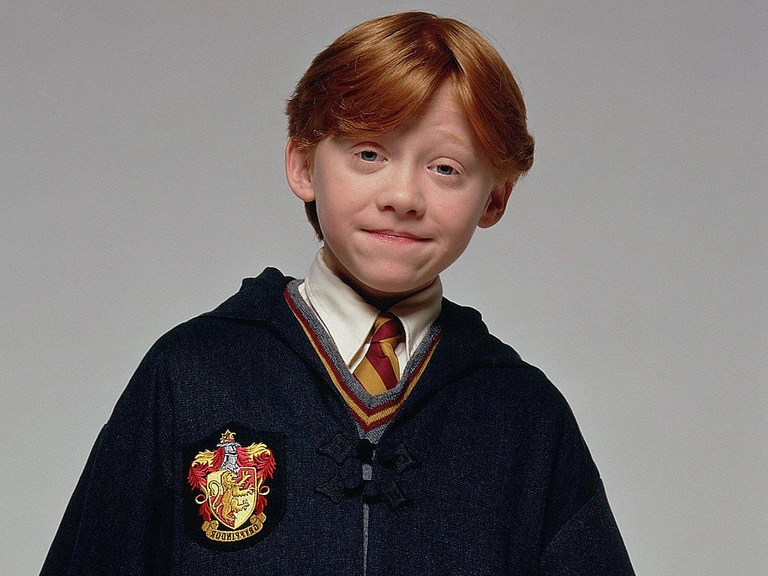
Mudblood's a really foul name for someone who is Muggle-born — you know, non-magic parents. There are some wizards — like Malfoy's family — who think they're better than everyone else because they're what people call pure-blood… I mean, the rest of us know it doesn't make any difference at all.
A child born with magic to two Muggle parents was considered a Muggle-born. In wizarding Britain, they were allowed to attend Hogwarts School of Witchcraft and Wizardry, although some other schools, such as Durmstrang Institute, did not admit Muggle-borns. Salazar Slytherin fell out of favour with the other founders of Hogwarts because he wanted to limit attendance only to those from all-magic families.

Those with prejudice against Muggles and their families often referred to such wizards as "Mudbloods", a highly offensive term implying that the individual had dirty and inferior blood. Those who discriminated against Muggle-borns believed that they did not deserve magic and should be excluded from the wizarding world, in spite of the fact that Muggle-borns were just as magically talented as those of other blood statuses.
When the British Ministry of Magic fell under the indirect control of Lord Voldemort during the Second Wizarding War, it began distributing propaganda against "Mudbloods" under the authorship of Dolores Umbridge. Muggle-borns were also forced to register with the Ministry's Muggle-Born Registration Commission, which accused Muggle-borns of having stolen their wands and sentenced them to Azkaban. This ended once Voldemort was defeated and the Ministry was reformed.
Half-bloods
Most wizards these days are half-blood anyway. If we hadn't married Muggles we'd've died out.
Wizards with parents or grandparents split between Muggles and wizards were referred to as half-bloods. Due to the dominance of the magic gene, children born to at least one magical parent would usually be magical themselves. This means that a non-magical child born to a Muggle and a wizard was considered a Squib, not a Muggle.

The term "half-blood" is misleading in that it does not necessarily imply a half-and-half split in wizarding/Muggle ancestry, but rather a witch or wizard with Muggle or Muggle-born parents or grandparents. By the 1990s, most of the magical population were half-bloods.
The children of Harry and Ginny Potter were considered half-bloods because although Ginny was pure-blood, Harry's mother was Muggle-born.
The term was used as an insult from members of fanatical pure-blood families. Walburga Black, for instance, was a fervent believer in pure-blood supremacy and her portrait at 12 Grimmauld Place often screamed "filthy half-breeds" and other insults at passers-by somewhat indiscriminately, which points to the mania surrounding blood purity. Bellatrix Lestrange was also known to have insulted Harry Potter and Severus Snape on the basis of their half-blood heritage.
Some half-bloods also expressed prejudice against those with Muggle ancestry, despite having it themselves, often clinging only to what wizarding heritage they did have. Lord Voldemort, the son of a pure-blood witch, Merope Gaunt and a Muggle Tom Riddle Snr, epitomised this. He hated Muggles and Muggle-borns and held his status as the Heir of Slytherin in great esteem.
Ancestry of a half-blood
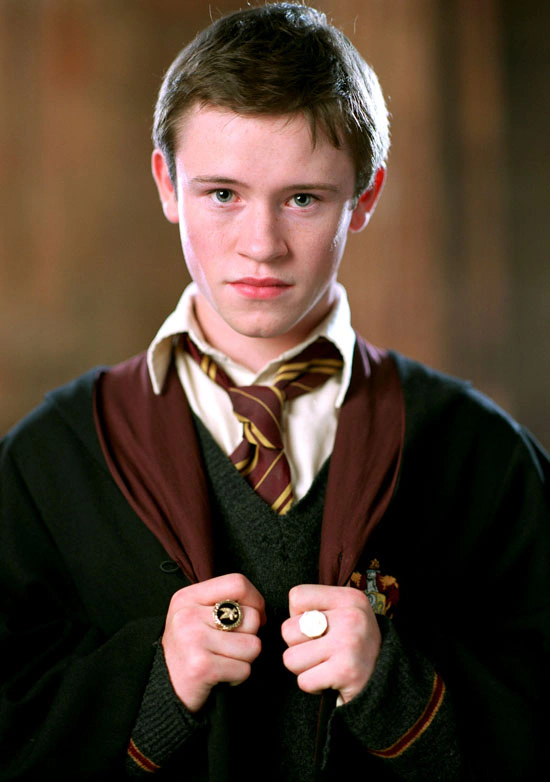
I'm half-and-half. Me dad's a Muggle. Mum didn't tell him she was a witch 'til after they were married. Bit of a nasty shock for him.
- Parentage Wizard - Pure/half-blood parent & Muggle parent Tom Marvolo Riddle - Severus Snape - Dean Thomas - Seamus Finnigan - Remus Lupin - Pure/half-blood parent & Muggle-born Harry James Potter - Nymphadora Tonks - Albus Dumbledore - Muggle-born parent & Muggle parent Penny Haywood - Beatrice Haywood - Muggle ancestry Edward Remus Lupin - James Sirius Potter - Albus Severus Potter - Lily Luna Potter
Pure-bloods
There are some wizards — like Malfoy’s family — who think they’re better than everyone else because they’re what people call pure-blood. I mean, the rest of us know it doesn’t make any difference at all. Look at Neville Longbottom — he’s pure-blood and he can hardly stand a cauldron the right way up.
Pure-blood families were wizards and witches without known Muggles or Muggle-borns on their family tree. Some had achieved this simply by removing any Muggles or Squibs from their family trees and pretending they never existed.
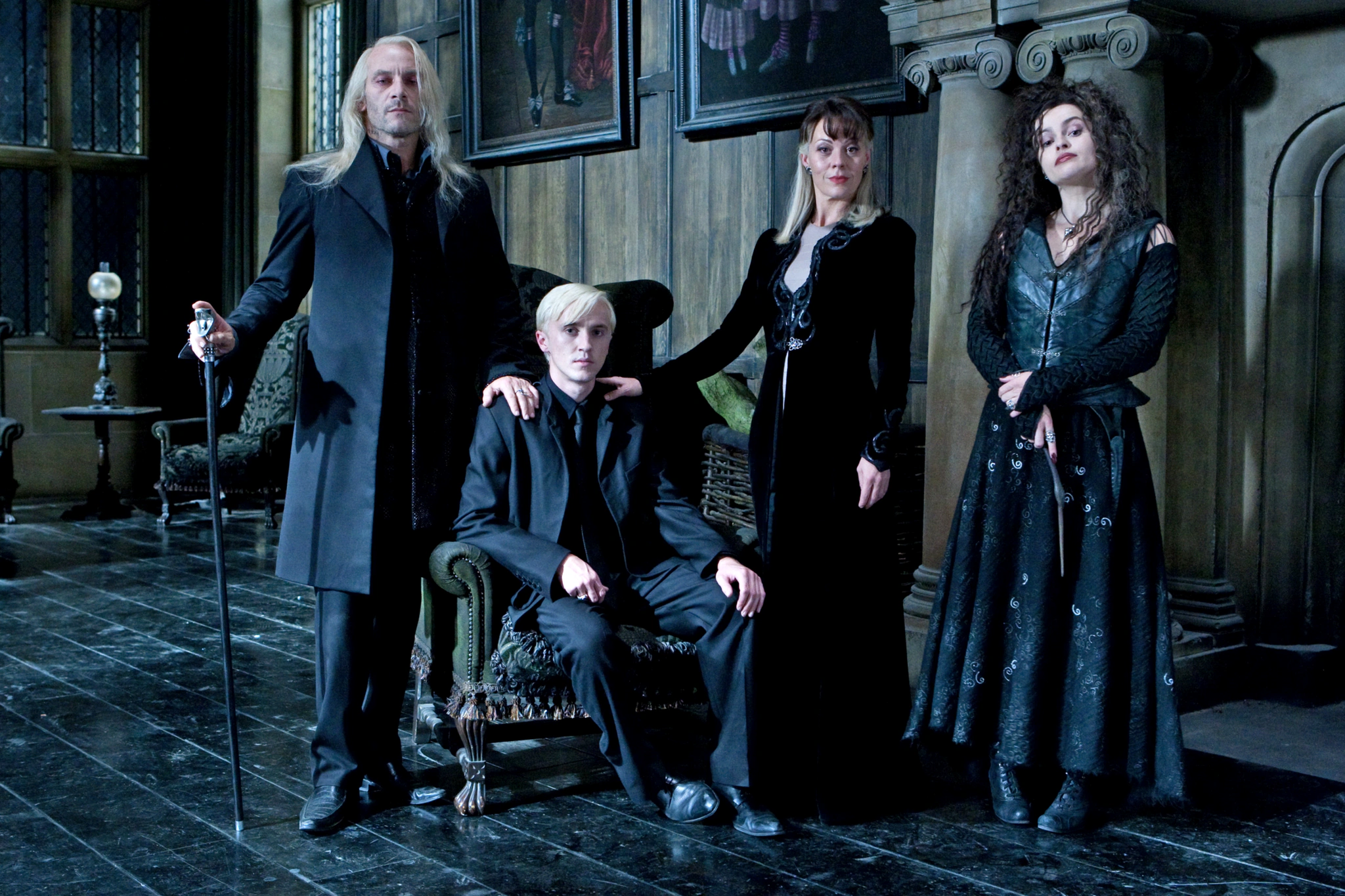
Many pure-bloods considered themselves to be akin to royalty in the wizarding world, or at the very least the elite. They often disdained those of different blood status and Muggles, some even arguing that Muggle-borns should not be admitted into the wizarding world. The Death Eater organisation took this philosophy to an extreme, striving to eliminate Muggle-borns altogether.
To be pure-blood was an uncommon trait and their numbers continued to decline over time. To maintain their "pure-blood pedigree", families such as the House of Black and the House of Gaunt had practised inbreeding, accounting for the mental instability of certain family members. Those same families tended to disown members who accepted Muggles or Muggle-born wizards into their lives. These family members would be deemed "blood traitors". For instance, the Blacks commonly blasted these relatives off the family tree tapestry.
Mental disorders

The pure-blood families are all interrelated. If you’re only going to let your sons and daughters marry pure-bloods your choice is very limited; there are hardly any of us left.
Inbreeding amongst pure-blood families such as the Gaunts, Blacks, and Lestranges had been known to cause a tendency towards instability, violence, and enfeeblement. Members of these families were known for their psychopathic tendencies and inability to feel compassion towards others whom they regarded as inferior such as Muggle-born wizards and the Muggle population in general.
A large number of Death Eaters partook in the torture of other fellow wizards and witches, to the point of persecution and outright extermination, simply based upon their blood-status. Deterioration of their minds was overlooked as they had kept the proper pedigree praised by Salazar Slytherin and all those who followed his standards of what made a good or worthy Wizard/Witch.
Known instances of inbreeding
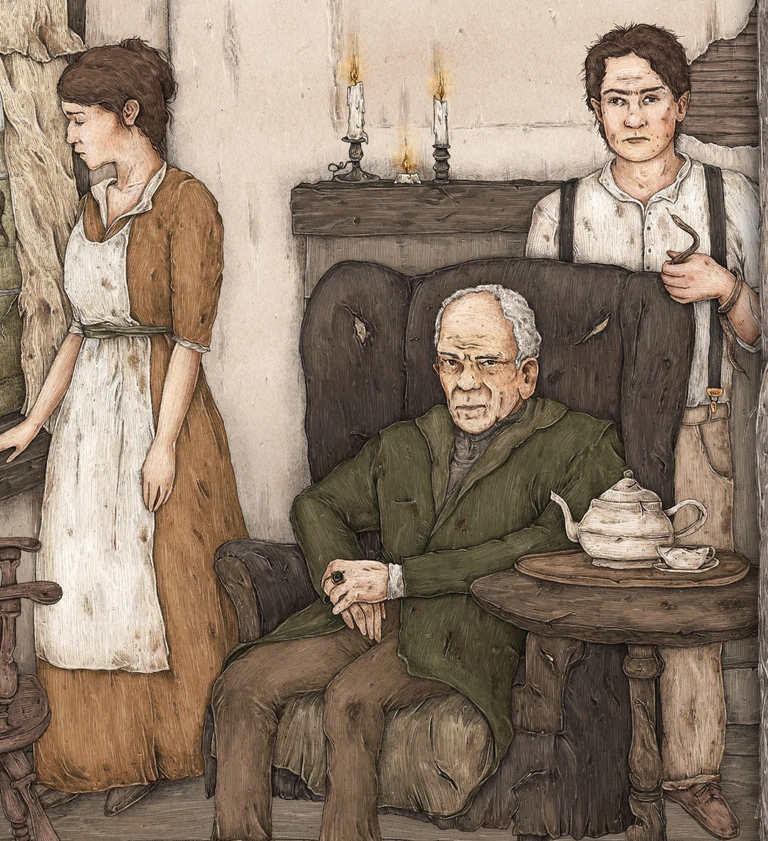
Marvolo, his son, Morfin, and his daughter, Merope, were the last of the Gaunts, a very ancient wizarding family noted for a vein of instability and violence that flourished through the generations due to their habit of marrying their own cousins.
- Wizard(s) Reason - Orion Black Regulus's parents are second cousins. - Walburga Black - House of Black Black family tree spans seven centuries, so there is probably more inbreeding in that family than is known. - House of Gaunt According to Dumbledore, the House of Gaunt has many inbred relatives, causing their instability. - Arthur Weasley They are second cousins by marriage once removed, which is not technically inbreeding, but shows how the spouses are somewhat interrelated. Going back more generations might show some actual biological links. - Molly Weasley - Lestrange family Corvus Lestrange IV, who married his second cousin Clarisse Tremblay, who was also his first cousin through his maternal aunt who was Clarisse's mother.
Squibs
Squibs were usually shipped off to Muggle schools and encouraged to integrate into the Muggle community... much kinder than trying to find them a place in the wizarding world, where they must always be second class....
Squibs were individuals from wizarding families but had no magic themselves. One example is Argus Filch, who was so embarrassed by this that he hid it from students and studied magic fruitlessly in his spare time. Another example is Arabella Figg, who did not seem to particularly care that she had no magical abilities. Squibs could keep in contact with wizarding society if they chose.

Squibs were generally looked upon with disdain by most wizards and witches. Even families like the Weasleys, who did not look down on Muggles or Muggle-borns, were rather embarrassed to have a Squib, who worked as an accountant, in their family. Neville Longbottom's family was also upset at the prospect that he might be a Squib and repeatedly tried to scare accidental magic out of him when he was a child.
Squibs were able to use magical devices, such as Dark Detectors, or other items whose magical capabilities were inherent, but not devices such as wands, which required magical abilities in the user.
Muggle-borns were possibly descended from Squibs who married into Muggle families as in historic times went by the affectionate name of "Magbobs" as the magic "bobbed up" out of nowhere
It is possible that a child or later descendant of Hector Dagworth-Granger, a famous potioneer, was a Squib, because Horace Slughorn asked Hermione Granger whether the two could have been related. This could be possible if magic in a family died out.
Half-breeds

Filthy half-breeds! Beasts! Uncontrolled animals!
Half-breeds were humans with at least one non-human parent, although witches and wizards with non-human ancestry further back would also be considered half-breeds. They were very rare and had traits of both species, such as the ability to use magic and spell resistance in half-giants. Prejudice against half-breeds appeared to be relatively common in the wizarding world, which is intolerant toward non-human peoples in general.

"Half-breed" might be an insulting, rather than proper, term. It was known to be highly offensive to centaurs, though this might only be because it was in fact, incorrect: centaurs were their own non-human breed, rather than a mix of species.
Known half-breed types
- Types Wizard(s) - Part-giant Half Rubeus Hagrid - Olympe Maxime - Part-Veela Apolline Delacour - Quarter Fleur Delacour - Gabrielle Delacour - Eighth Victoire Weasley - Dominique Weasley - Louis Weasley - Part-goblin Unknown Filius Flitwick - Part-vampire Lorcan d'Eath
Sources
Adapted from the original article, under CC BY-SA 3.0.