Lore
Flesh Memory
A Flesh Memory was a memory retained by a Golden Snitch of the Seeker who…
A Snitch is not touched by bare skin before it is released, not even by the maker, who wears gloves. It carries an enchantment by which it can identify the first human to lay hands upon it, in the case of disputed capture.
A Flesh Memory was a memory retained by a Golden Snitch of the Seeker who caught it, in order to avoid Quidditch disputes over the capture of a Snitch.
History
A Golden Snitch was never touched by human hands before a Quidditch match, and the makers wore gloves. Only the Seeker was supposed to touch the Snitch.
Harry Potter's first Snitch
In his will, Albus Dumbledore left Harry Potter the first Golden Snitch he ever caught during his first Quidditch match at Hogwarts. Minister for Magic Rufus Scrimgeour told Harry that due to flesh memory, the Snitch would only open for him, and possibly there was something important inside it.
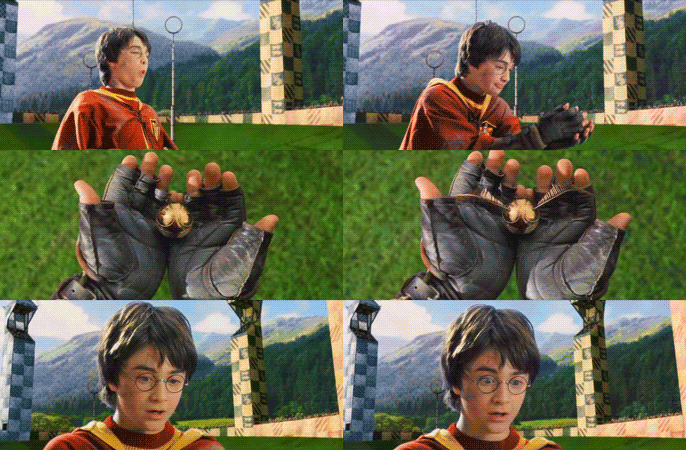
But when Harry held the Snitch after all those years, nothing happened and it didn't open. It was only after Scrimgeour departed that Harry remembered he caught the Snitch with his mouth. When he pressed his lips to it, an inscription appeared that said "I open at the close".
The Snitch actually contained the Resurrection Stone from the Peverell Ring, one of the Deathly Hallows, and Harry was only able to open the Snitch and use the Stone to summon dead spirits of his loved ones as he prepared to face Voldemort and die to protect his friends.
21st century
During the 2008–2009 school year, Ivy Warrington, Daniel Page, and their friend searched a Quidditch tent for clues concerning malfunctioning broomsticks. Using the Unlocking Charm on a mysterious chest, they released a Golden Snitch.
Although Madam Rolanda Hooch caught the trio, she appreciated their assistance while warning them to stay away from the investigation. Because the student had triggered the Snitch's Flesh Memory — rendering it unusable for official matches — Hooch applied a Seeker-training charm to the device so it would follow the student, allowing them to keep it.
Sources
Adapted from the original article, under CC BY-SA 3.0.