Lore
Wandless magic
Performance of magic without the use of a wand
The wand is a European invention, and while African witches and wizards have adopted it as a useful tool in the last century, many spells are cast simply by pointing the finger or through hand gestures. This gives Uagadou students a sturdy line of defence when accused of breaking the International Statute of Secrecy ('I was only waving, I never meant his chin to fall off').
Wandless magic was the performance of magic without the use of a wand. Such magic was often difficult to perform for those who didn't take the time to learn the skill, and could have unexpected or volatile results if not done properly. Usually, witches and wizards accustomed to using wands could only reliably perform wandless magic if they possessed great skill. However, within regions of the wizarding world that historically did not use wands, wandless magic was considered the norm, and using one was optional.
Nature and practice
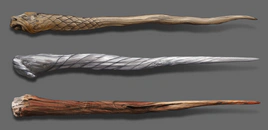
Wands were used by witches and wizards to channel their magic, making their spells more accurate and potent. Within cultures where wands were ubiquitous, only the most powerful and disciplined wizards and witches could perform wandless magic reliably. Transfiguration and charms were particularly difficult to perform without a wand.
However, the wand was a European invention, and some cultures did not traditionally rely upon such tools for performing magic. Native Americans had their own practices that predated European colonisation, and did not require a wand; African witches and wizards only adopted the wand in the 20th century, and even in the modern era, wands were not necessary for many of their practices.
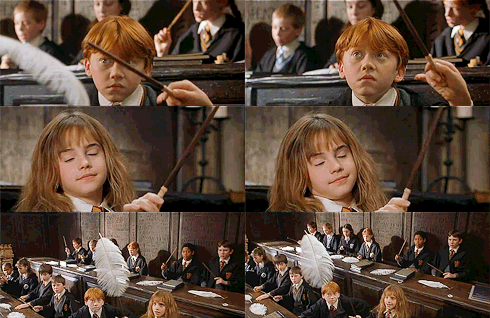
Wandless magic was not officially taught at Hogwarts School of Witchcraft and Wizardry; however, books on the subject were found in the Restricted Section of the Hogwarts Library.
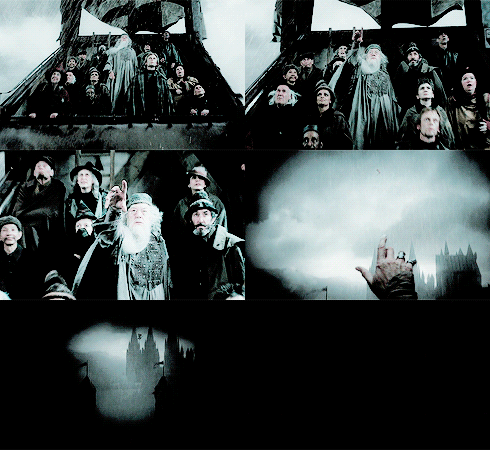
Wandless magic could also be performed nonverbally, but this increased the level of difficulty to the point that only practitioners of exceptional skill could perform more than the most basic magic. Albus Dumbledore, generally considered the greatest wizard of all time, was known for performing magic in this manner. Quirinus Quirrell whilst possessed by Lord Voldemort was also capable of both nonverbal and wandless spells, as shown with the Incarcerous Spell which he used on Harry Potter in the Underground Chambers.
Gellert Grindelwald, an infamous Dark wizard active in the Global Wizarding War, was also extremely skilled with wandless magic, having performed it numerous times without difficulty during the conflict.
Underage magic
Wandless spells were often used in cases of underage magic, in which children under the age of eleven, who had no wands, sometimes used magic. This was known as Accidental Wandless Magic. On most of these occasions, the children had no control over their abilities, and would unintentionally use magic when upset or in danger.
Some children, however, exerted some control over their magic, but they were untrained in proper spells. For example, Tom Riddle was able to hurt people and influence animals before he even knew of the existence of the wizarding world, and Lily Evans was able to use magic to stop herself falling as fast as normal and also to accelerate the growth of a flower.
On 2 August 1995, Harry Potter unknowingly performed underage wandless magic in an alleyway in Little Whinging due to the presence of Dementors, with Harry speaking the incantation for the Wand-Lighting Charm aloud (Lumos) despite not holding his wand which he had dropped in the darkness, which instantly illuminated his wand, allowing him to find it.

Andros the Invincible
Uagadou students
Carlotta Pinkstone
Jacob's sibling
Liz Tuttle's mother
Merula Snyde
Jacob
Verucca Buckthorn-Snyde
Vega
Ben Copper
Wizard in the Leaky Cauldron
Todd Cribb
Possible practitioners
The following wizards and witches may or may not have intentionally performed spells without use of a wand:
Altheda (fictional)
Non-human wandless magic
House-elves, goblins, and other non-humans were able to perform magic without wands.
Goblins sometimes referred to wizards and witches as "wand bearers" and humans' refusal to share wand knowledge with goblins was a source of great ill-feeling between the two species.
Main articles: House-elf magic and Goblin magic
Sources
Adapted from the original article, under CC BY-SA 3.0.